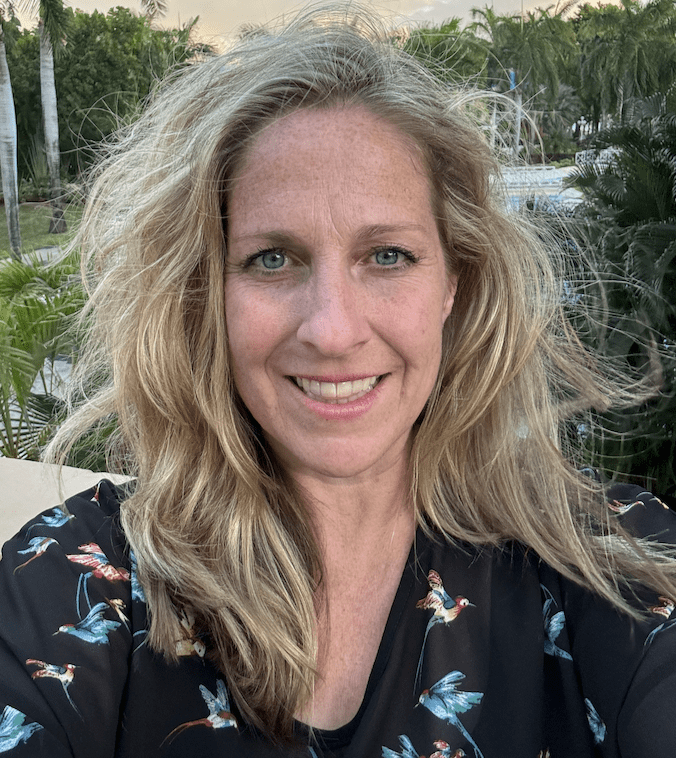
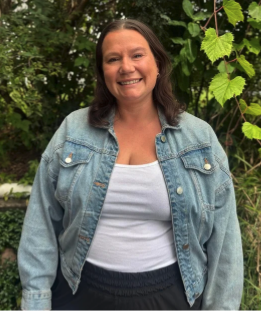
I am a Registered Psychotherapist supporting adults (21+), across Ontario, Canada. 

In 2008 I founded Recreational Respite, a national organization that uniquely supports the disability and neurodiverse community, those who face mental health struggles and other vulnerable individuals. The focus of this work was to navigate the systemic and attitudinal barriers that lacked inclusion and consideration for social participation while working collaboratively with an individual to create opportunities that develop a sense of self, role and worth.

This immersion has offered diverse insight into the ways that grief and loss, stress, anxiety, burnout and trauma has been experienced. It lends to my non-pathologizing approach in counselling when working with any and all individuals, while also acknowledging neurodivergence, identity, and disability through a social model lens. I integrate theories and interventions that create a collaborative and adaptive therapeutic process tailored to the individuals strengths, resources and experiences. 

Theories, interventions and modalities used in my practice include (but are not limited to); polyvagal theory, attachment theory, internal family systems (IFS), EMDR, cognitive processing therapy (CPT), cognitive behaviour therapy (CBT), emotionally focused therapy (EFT), mindfulness practice and narrative therapy. I am trauma-informed in my counselling approach and trained to support those with post traumatic stress disorder (PTSD).

My education includes a B.A in Disability Studies (with honours and distinction) from the Toronto Metropolitan University, and a Master of Arts in Counselling Psychology from Yorkville University. I am a Registered Psychotherapist with the College of Registered Psychotherapists of Ontario (CRPO) in good standing, and a professional practice member of the Canadian Counselling and Psychotherapy Association (CCPA) serving adults, across Ontario. 

There are many intersections of grief. Not only death and dying. 

Grief counselling considers the impact that a loss has had for any individual. These losses can be of identity, major life shifts or changes, chronic conditions or disease, or a death.

If you are neurodivergent, grief can come from many experiences of being misunderstood or ‘othered’. As one struggles with identity, ongoing stresses related to systemic and societal barriers, diverse losses, major life transitions or relational changes, there is an importance to explore these experiences as losses and the grief that is felt. 

Counselling support for trauma should be in a safe, non judgemental and trusting space, that promotes healing.

Trauma-informed care in counselling considers the impact that trauma has had on the wellbeing of any individual including the social, physical, mental and emotional response to a distressing event that overwhelms a persons ability to cope. This often results in feelings of helplessness, fear, and sometimes a false sense of safety.

If you are neurodivergent, trauma symptoms can overlap or exacerbate existing neurodivergent traits that can lead to higher levels of anxiety and stress from experiences and higher rates of vulnerability while navigating complex systems and values.

Chronic stress and anxiety can lead to burnout, which is a state of physical, emotional and mental exhaustion.

Counselling can offer a safe and supportive space to explore the underlying causes of stress, anxiety and burnout while navigating the challenges that this can present in everyday life. 

Stress, anxiety and burnout often create emotional dysregulation, extreme fatigue and social withdrawal. Some may experience burnout from the constant effort of masking ie: identity related challenges that can lead to a sense of disconnection from one’s true self and can negatively impact mental health and well-being, or chronic stress from grief and or a loss or traumatic experiences. 

Counselling can help navigate changes occurring in health and life, especially if they are creating anxiety, chronic stress or burnout.

The focus of this work together is understanding the link between the nervous system and an individual’s emotional, mental and physical wellbeing. By identifying unique triggers and stress responses, counselling can help integrate techniques, tools, and resources that can assist in regulation, during these fight or flight responses, to restore a sense of safety and balance. 

If you are neurodivergent, unmasking can also be challenging while also navigating health/life changes or challenges. 

Insurance and benefits (any) that offer coverage under psychotherapy. 

Ontario Autism Program, Core Clinical Services can be used for therapy supports. 

Community Assistance Program (CAP), with Autism Canada is a subsidy that can be applied for and will cover psychotherapy. 

Video Resources

Videos and other audio resources can sometimes offer a common and often comforting voice with a shared message about the human experience in grief.

Read More

Podcasts

Grief and Loss If you love audio resources, I’ve got a bunch of great podcasts that might interest you! I will add more as

Read More

Books

There are some incredible books to share. I hope you find them supportive.  Grief and Loss The Grieving Brain (2024)Dr. Mary-Frances O’Connor The Grieving

Read More

If you are in immediate crisis, please call 911, or call or text 988 for the suicide crisis hotline, available 24/7.

Suicide Crisis Helpline Canada 

Phone

1-800-656-8498

Email

amy@huronrosecounselling.com